

NCAA Facility Compliance Guide
Hosting NCAA Division I, II, or III competitions requires that your facilities adhere to specific safety, surface, and equipment standards for every sport you offer. Compliance requirements vary by division level, venue type, and the sports in your program, so conducting a thorough facility assessment before each competition season begins is essential.
This guide outlines key NCAA requirements by sport. It highlights major standards only. Your Athletic Director or Facility Manager should conduct a comprehensive compliance audit to identify every requirement applicable to your specific programs and venue configuration.
Track and Field
Surface and Layout Standards
NCAA regulations require outdoor tracks to maintain specific grade tolerances, including a maximum lateral slope of 1:100 and a maximum downward slope of 1:1000. Tracks must also be professionally surveyed for certification. Long jump pits should measure 2.75m x 9m with approximately 30cm of sand depth and must remain level and free of contamination. Throwing circles for shot put, hammer, and weight events must be 2.135m in diameter, discus circles should be 2.5m, and javelin runways must measure between 4m x 30m and 4m x 36.5m. All throwing circles must maintain level alignment with landing areas, allowing for zero variation tolerance for record eligibility.
Compliance Maintenance
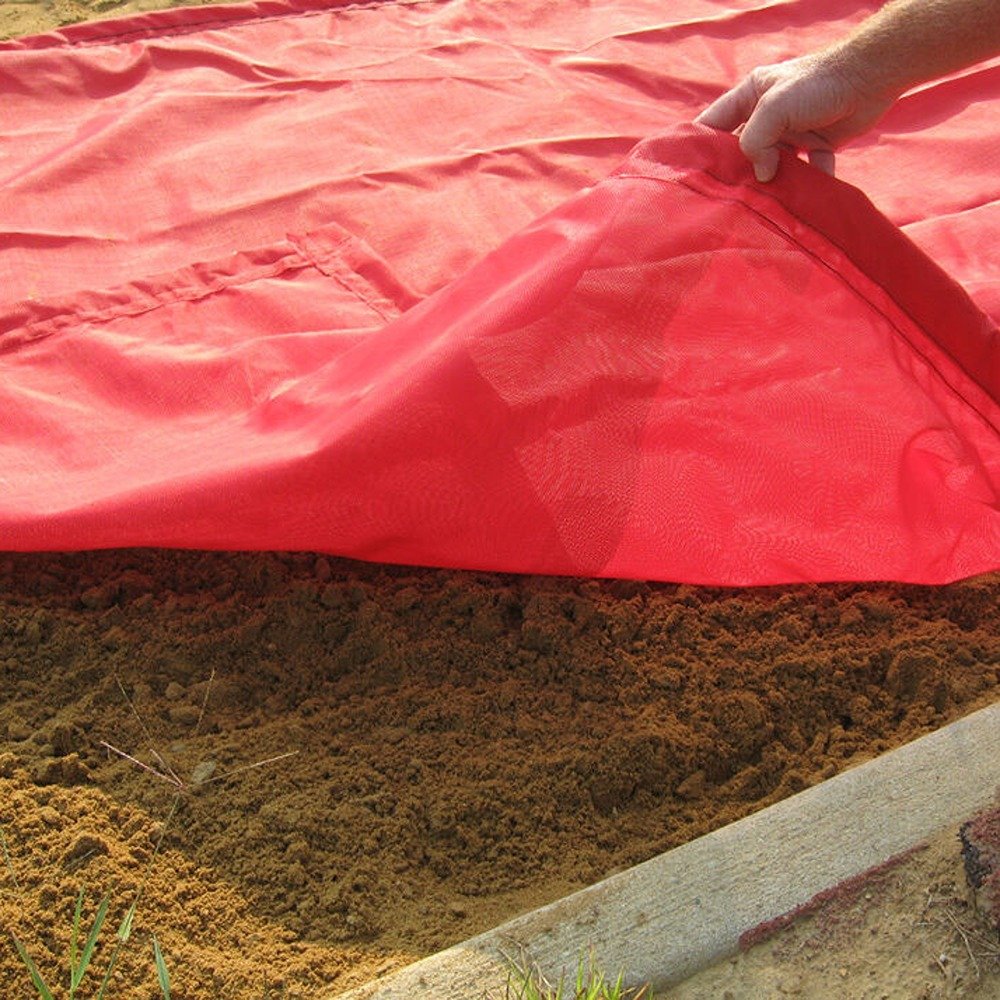
Weather-driven surface deterioration can result in settling and ruts that jeopardize compliance. Protective surface covers, long jump pit covers, field covers, and spot covers help maintain compliance by safeguarding against UV degradation, water infiltration, debris accumulation, and surface settling between competition dates.
Soccer, Football, and Lacrosse
Field Dimensions and Safety Standards
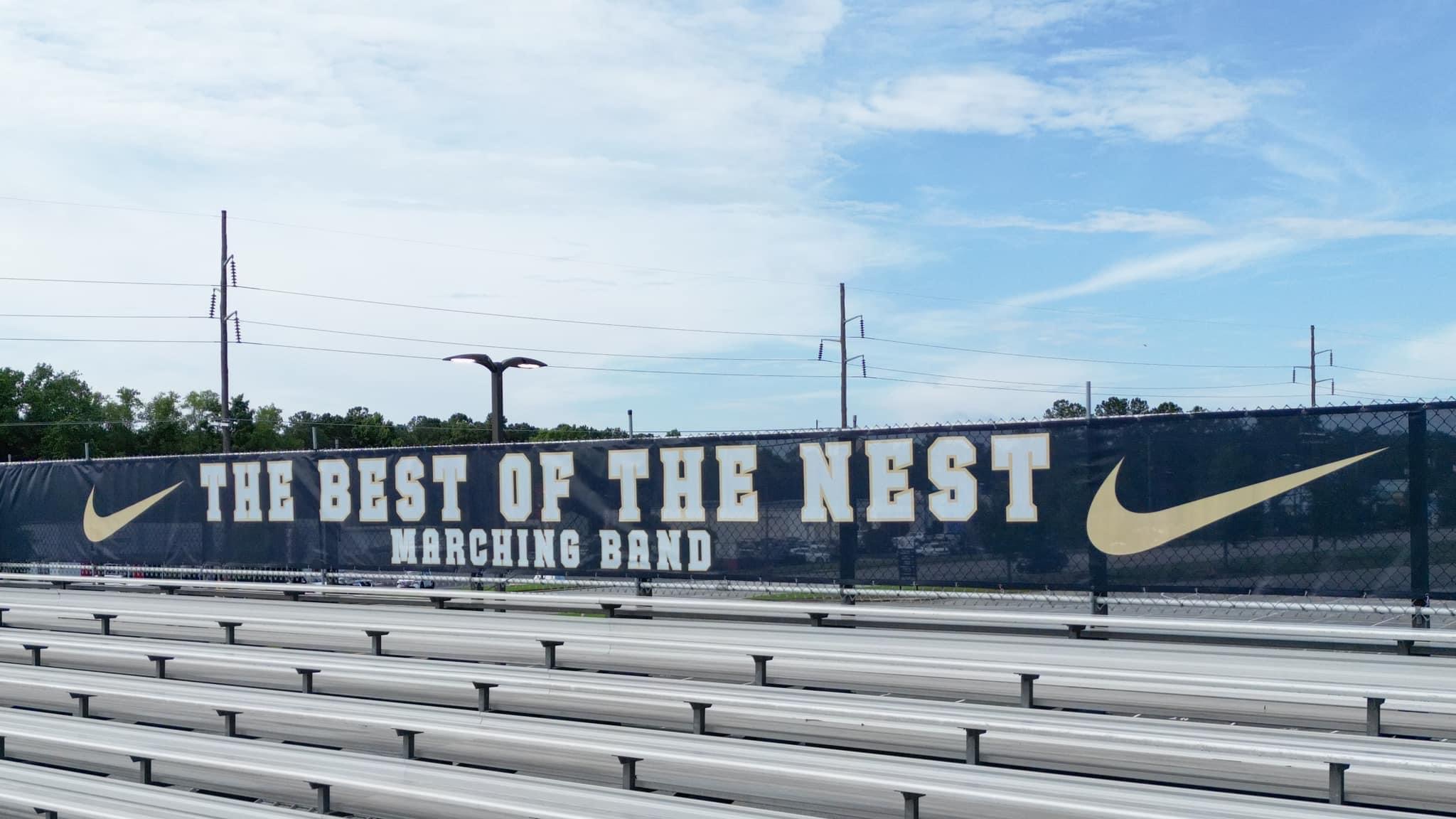
Field dimensions vary by sport: football requires a field that measures 120 yards by 53 1/3 yards, soccer fields range from 115-120 yards by 70-75 yards, and lacrosse fields measure 110 yards by 60 yards. All fields must have clear markings, proper drainage, and be free of hazards that could lead to player collisions. Safety buffer zones are required outside the boundary lines, with football requiring 6 feet and soccer requiring 20 feet of clearance.
Equipment Protection Requirements
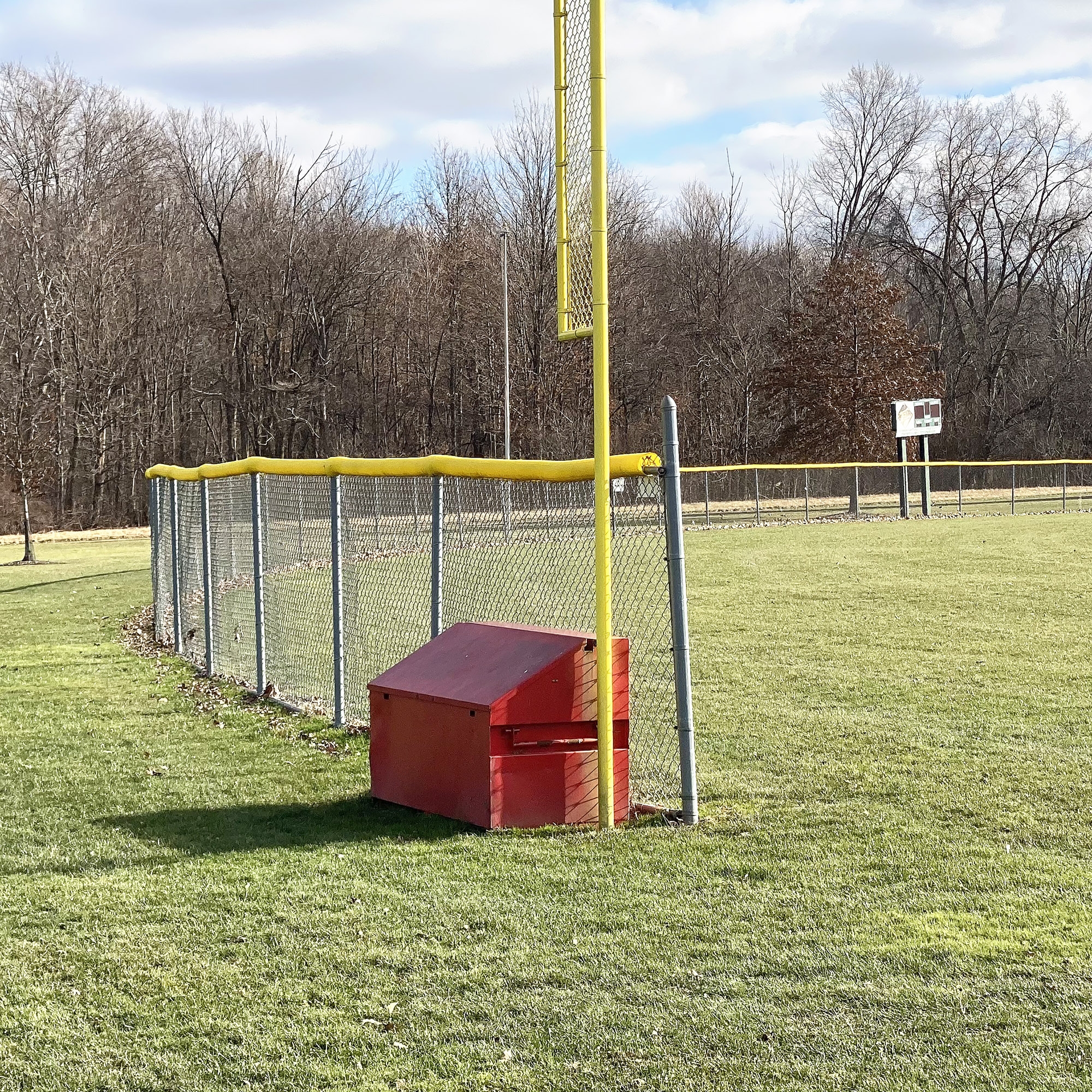
Football goalposts must be padded with high-impact foam and vinyl covers. Soccer goals require white padding that is no more than 1 inch thick and at least 72 inches high. Cover all exposed rivets, pins, and sharp edges, and keep stadium seating in safe condition. Windscreens can help reduce wind interference, while fence padding protects against hard metal rails at common collision points.
Tennis
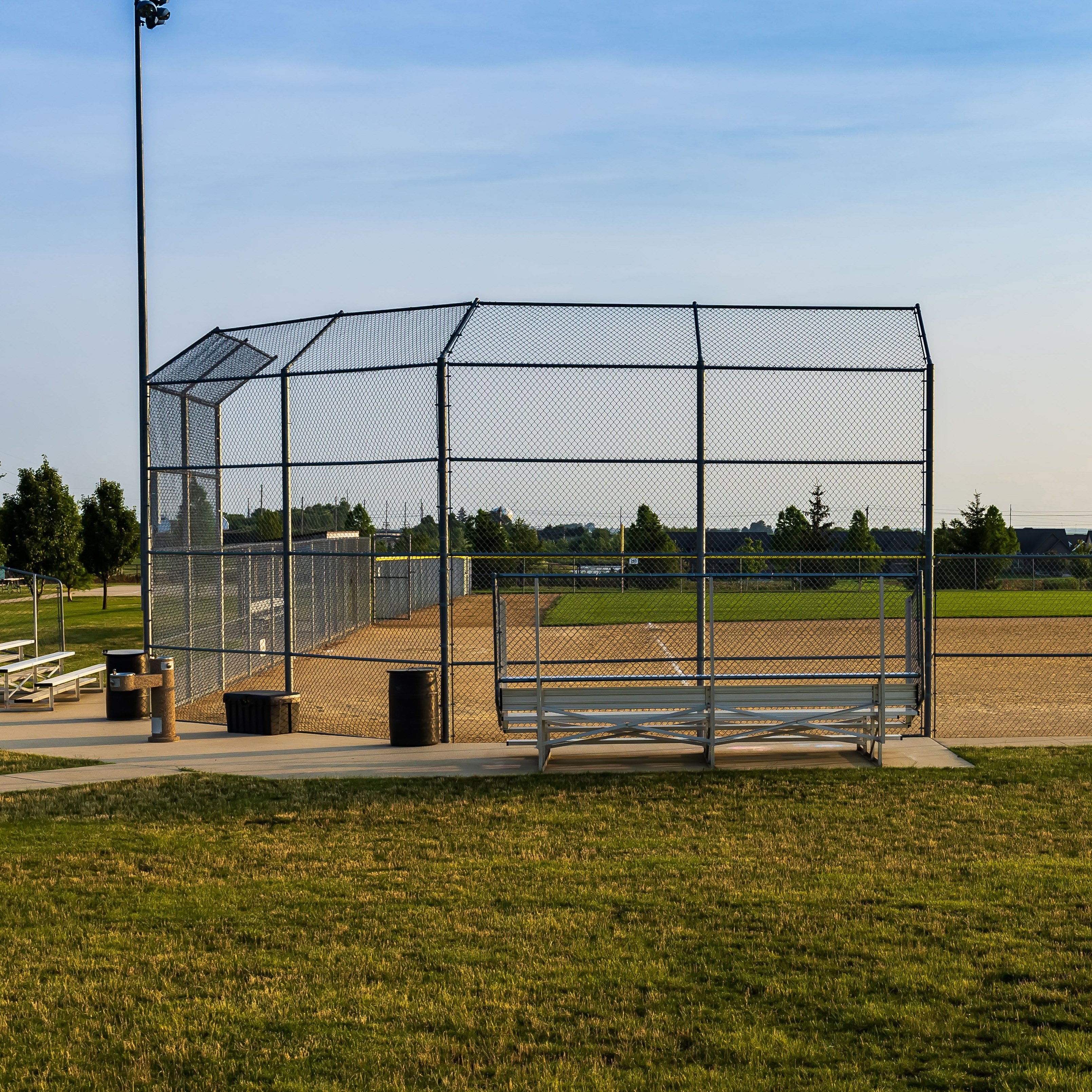
NCAA tennis facilities must provide varsity-quality courts with proper dimensions, clearly defined safety zones, and compliant boundary fencing. Spectator areas should remain unobstructed, and courts must protect players from wind interference and collisions with boundary structures. Court covers, windscreens, and fence padding help maintain compliance standards while protecting playing surfaces from weather damage and player impacts.
Golf
Golf courses hosting NCAA championships must meet championship-caliber playing conditions throughout the season. Consistent, safe surfaces across greens, tees, and fairways are required, and course integrity should be maintained even during heavy weather or extended off-season closures. Spot covers and turf protection covers help preserve these conditions during vulnerable periods.
Volleyball and Basketball
Court Standards and Collision Protection
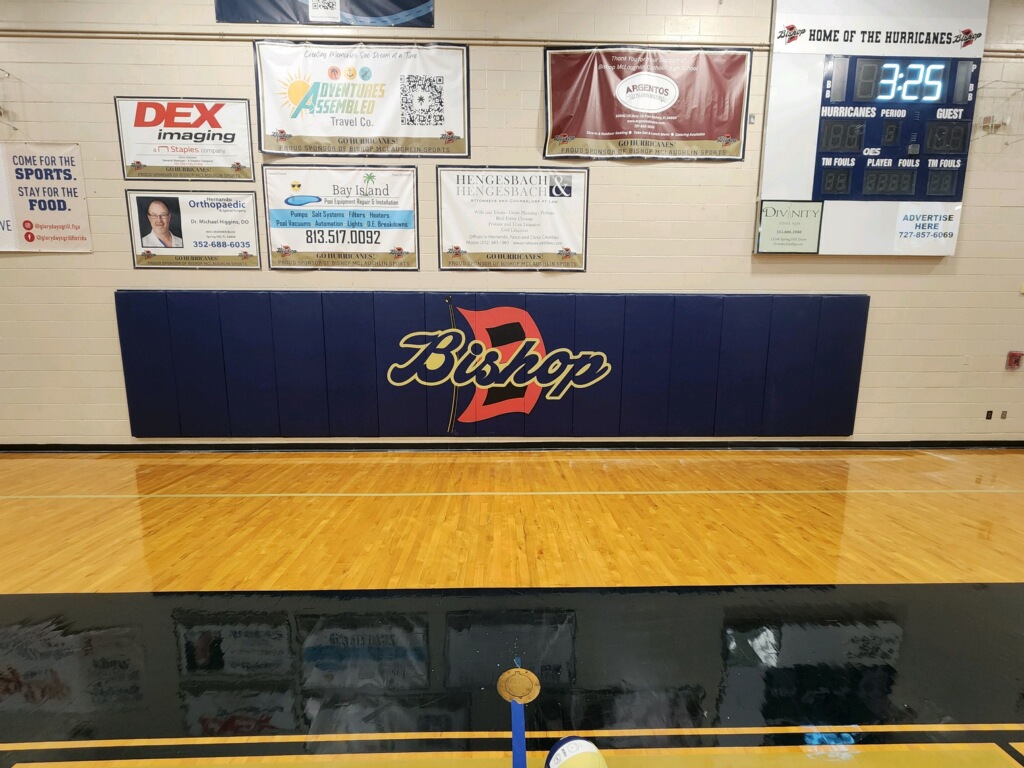
Volleyball and basketball courts must meet NCAA regulation dimensions with clearly maintained markings and safe boundary zones. Both sports present collision risks from hard structural elements, including walls, posts, and support structures. Facilities must address these hazards to protect player safety without compromising equipment functionality.
Compliance Solutions
Gym floor covers protect court surfaces during equipment setup, special events, and multi-use scheduling. Indoor wall padding protects players from impact with hard structural elements during both play and practice. Class A fire-retardant options are available in customizable sizes and colors.
Gymnastics
All gymnastics equipment must feature protective padding on hard surfaces and structural elements. Regular equipment inspections are essential to confirm padding integrity and ensure athlete safety during training and competition. Deteriorated or improperly installed padding poses direct compliance and liability concerns. Heavy-duty gymnastics and landing mats available in multiple thicknesses support NCAA compliance standards, extend equipment life, and reduce facility liability.
Build a Compliant Facility
This guide outlines key NCAA requirements across major sports, but it is not a substitute for a full compliance audit. Your Athletic Director or Facility Manager should review all applicable rule sets for your division level, sport offerings, and venue configuration before competition season begins.
Our product line is designed to help you meet these standards efficiently. We custom-manufacture products to your exact facility dimensions and specifications, ensuring proper fit, regulatory compliance, and long-term durability. We work with facility managers to scope projects, recommend appropriate solutions, and provide compliance documentation.
Ready to build a compliant facility? Contact our team to discuss your specific needs. You can find NCAA rule books and additional publications at NCAA Publications.